Dossier de presse no. 7828-01
Journalistes! Découvrez ce projet prêt à publier. Créez gratuitement un compte média v2com pour télécharger les images haute résolution.
Créez un compte média
Dossier de presse | no. 7828-01
Communiqué seulement en anglais
Rikako Nagashima’s "Irreversible Scale" for Kvadrat Wins Dezeen Awards 2025 Graphic Design of the Year
Rikako Nagashima (village®)
The long-term calendar Irreversible Scale, designed by Rikako Nagashima of graphic design studio village® for textile brand Kvadrat, has been awarded “Graphic Design of the Year” at the Dezeen Awards 2025. The calendar visualizes Kvadrat’s 16-year roadmap toward achieving net-zero emissions, aiming to raise awareness and encourage action both within the company and externally.
Kvadrat is committed to reducing CO₂ emissions across all operations and its value chain, while transitioning many of its products to a circular system that extends product lifespans. Its targets are structured in four phases: a 50% reduction in Scope 1 and 2 emissions by 2026; 100% reduction in Scope 1 and 2 emissions by 2030; increasing the share of circular services revenue to 40% by 2035; and achieving net-zero across Scope 1–3 by 2040. Nagashima’s calendar translates these goals into a visual system, conveying a long-term message about the climate crisis.
Design
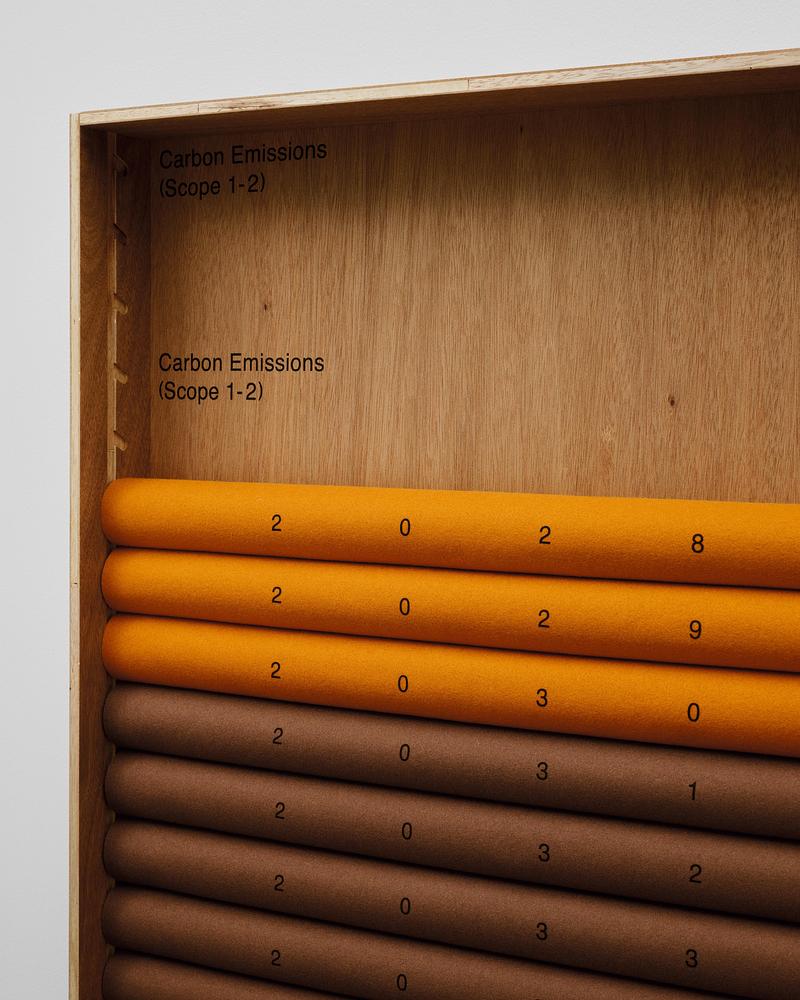
Irreversible Scale stores each year’s calendar roll up to 2040 in the left frame, and each year, one roll is moved to the right frame and hung. As the rolls shift to the right frame over time, Kvadrat’s four phased targets toward net-zero become visible, printed on the wood behind the left frame. Completion of each phase is further indicated by a change in roll color—from warm to cool tones—symbolizing progress in addressing the climate crisis. The gradual reduction of stacked rolls year by year visually represents the irreversibility of time and resources.
The calendar’s typography deliberately treats years, months, and days equally. By stripping away hierarchical meaning, the numbers become an abstract, neutral quantity, allowing viewers to perceive them as material units and experience the finite nature and significance of each day.
Materials and sustainability
The fabric was cut in half along the roll width to minimize waste during production. Each calendar is made from Divina 3 wool textile, a renewable material. Kvadrat uses only anti-mulesing certified wool and sources wool locally to reduce emissions and ensure traceability.
ReThink Project
The calendar was presented as part of the textile sustainability project ReThink, which explores the possibilities of responsible design, promoting material innovation and new aesthetic value. Exhibited at events including Copenhagen’s 3 Days of Design, Irreversible Scale communicates the irreversibility of resources and time, while highlighting Kvadrat’s environmental initiatives.Project name: Irreversible Scale
Clients: Kvadrat
Location: Tokyo
Project type: Graphic design
Designer: Rikako Nagashima(village®)
Design assistant: Hiroyuki Inada(village®)
Production: TANK
Photography: Casper Sejersen
Video: Isao Hashinoki
Project size: W155cmxD11cmxH112.5cm
Materials:Divina wool, Kvadrat
About Rikako Nagashima (village®)
Graphic design lies at the core of Rikako Nagashima’s work at village®, encompassing identity design, signage, book design, and spatial design. Based in Tokyo, Nagashima places sustainability at the center of her practice, maintaining a strong awareness of the environmental impact of design.
This awareness is expressed in various ways. For the exhibition David Lynch – The Art of the Inner Edge, she incorporated ink smudges and paper offcuts from the printing process into patterns to avoid generating waste. For the 10th anniversary exhibition of the sportswear brand Descente Blanc, she used fabric scraps produced during manufacturing as part of the design. In Kvadrat Residential’s (formerly Kinnasand) Scrap_CMYK curtain collection, paper fragments with ink stains were printed onto fabrics made from recycled PET bottles.
More recently, she has explored designs for calendars using molded pulp made from recycled paper generated during the production process. At the 2021 Venice Biennale of Architecture, she was responsible for the design of the Japanese Pavilion, investigating material circulation and reuse in architecture.
Pour plus d’informations
Contact média
- village®
- Rikako Nagashima
- info@village-r.com
Pièces jointes
Termes et conditions
Pour diffusion immédiate
La mention des crédits photo est obligatoire. Merci d’inclure la source v2com lorsque possible et il est toujours apprécié de recevoir les versions PDF de vos articles.
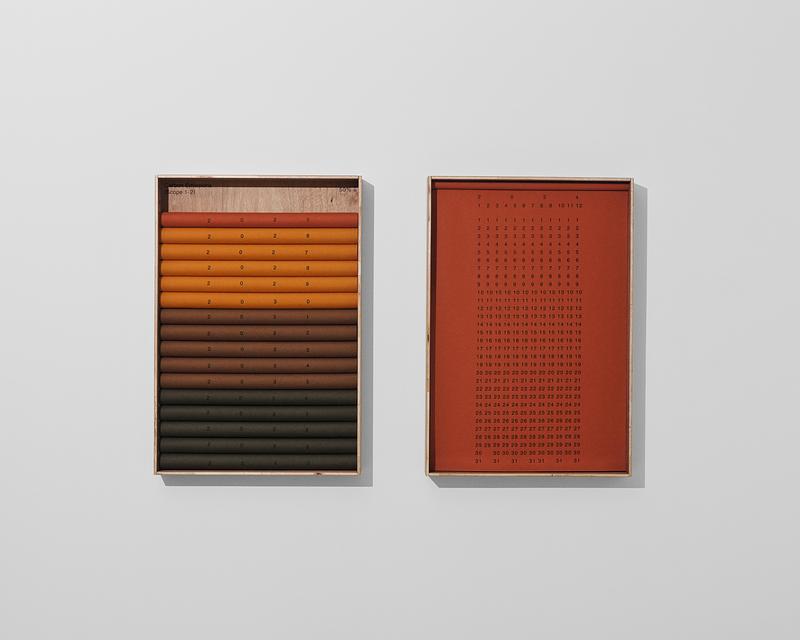
The calendar covers the years from 2023 to 2040 and is color-coded according to each phase toward achieving the net-zero target.
Photographer: Casper Sejersen
Image très haute résolution : 20.0 x 16.0 @ 300dpi ~ 45 Mo
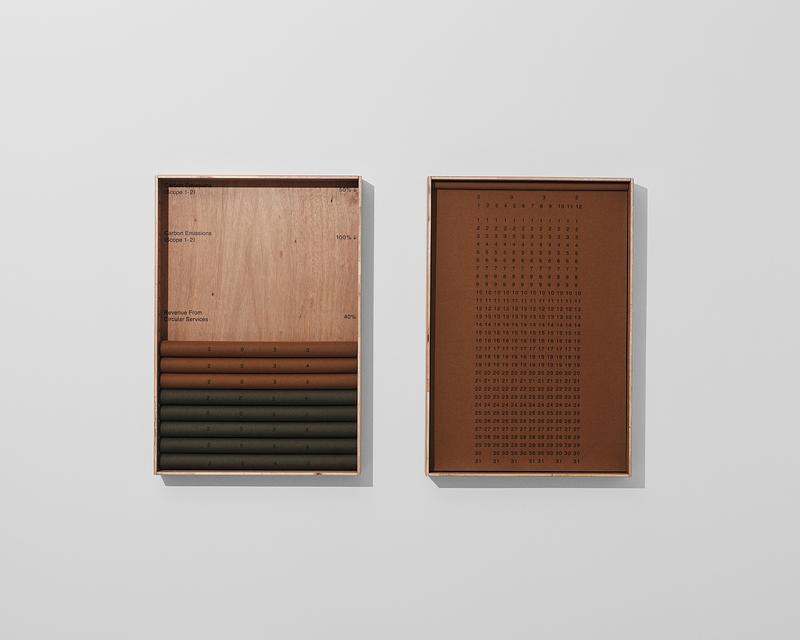
As the calendar diminishes year by year, a message displaying the target numerical values gradually appears in the background.
Image très haute résolution : 20.0 x 16.0 @ 300dpi ~ 46 Mo
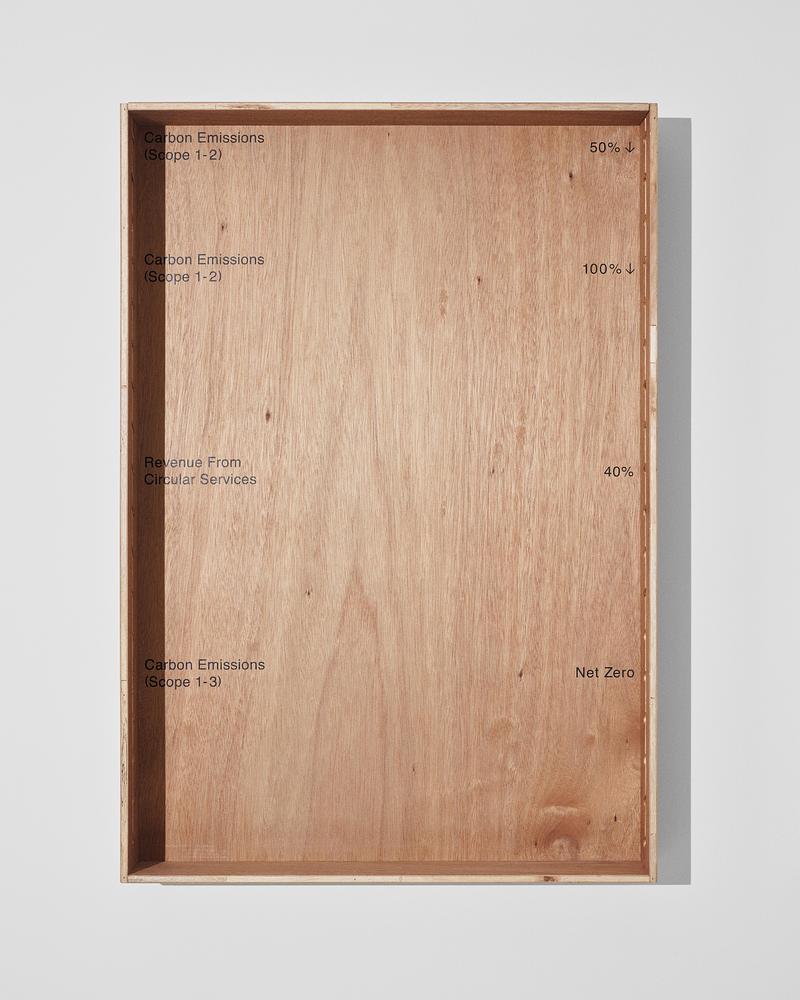
Messages of the target values hidden on the back of the box that contains the calendar.
Image très haute résolution : 14.13 x 17.67 @ 300dpi ~ 47 Mo
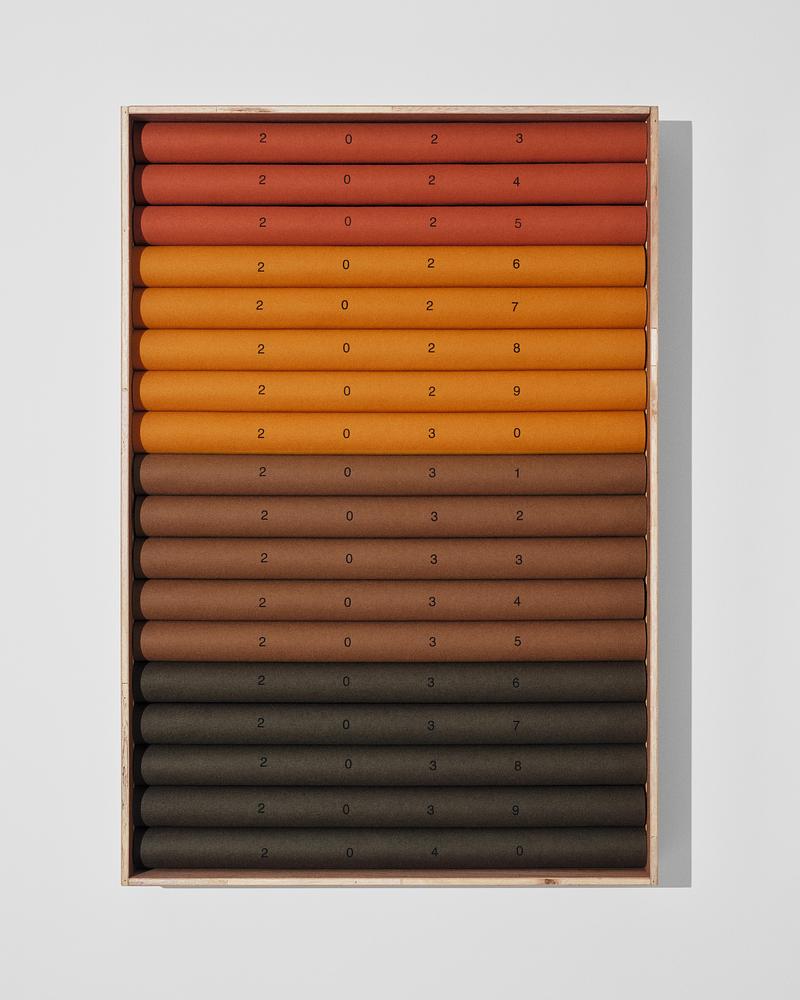
All calendars neatly housed in the box.
Image très haute résolution : 14.13 x 17.67 @ 300dpi ~ 39 Mo
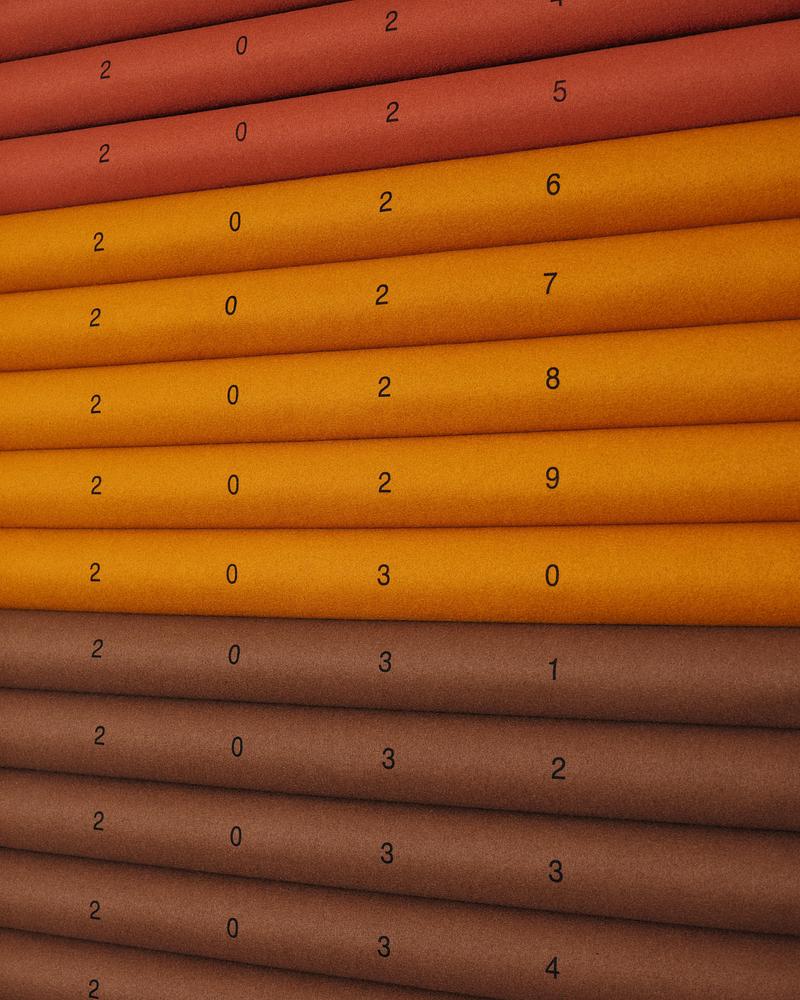
Image très haute résolution : 13.6 x 17.0 @ 300dpi ~ 47 Mo
The appearance of the target value for the first term.
Image très haute résolution : 13.87 x 17.33 @ 300dpi ~ 47 Mo
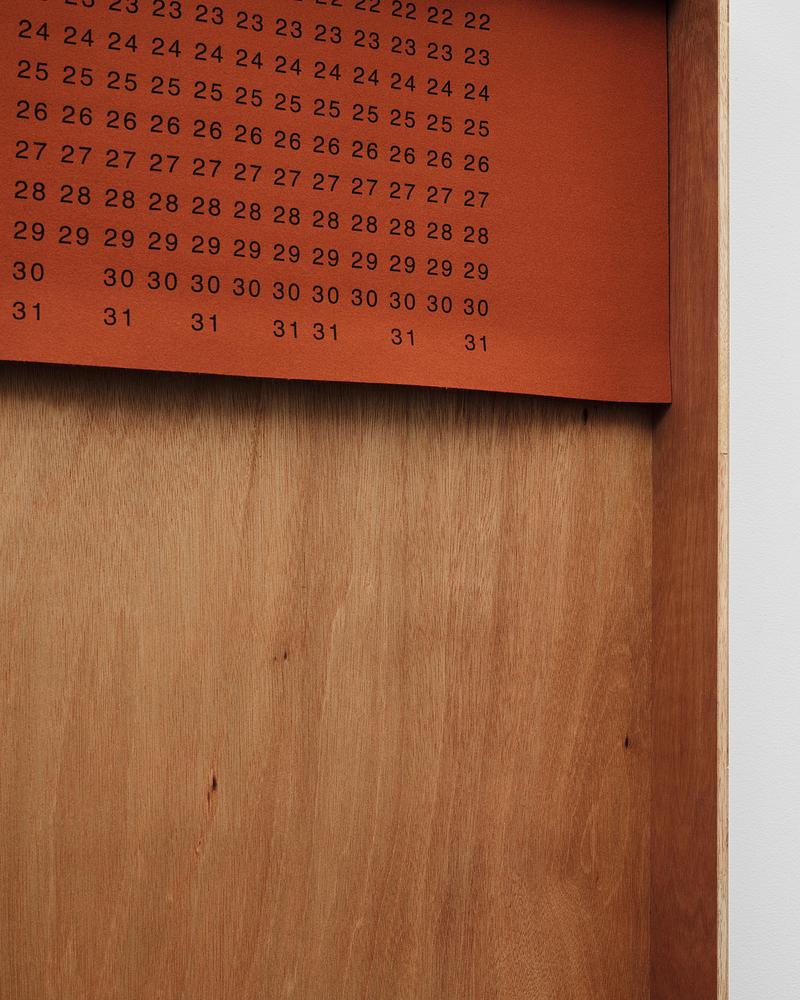
Image haute résolution : 13.07 x 16.33 @ 300dpi ~ 46 Mo
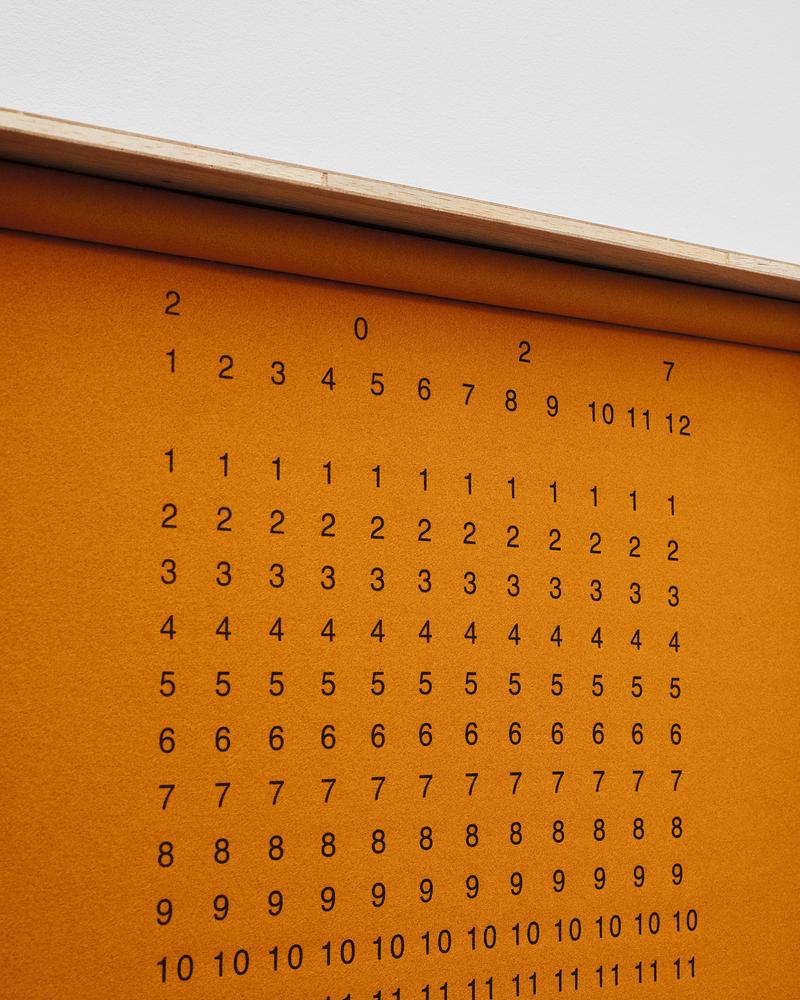
The calendar is made from environmentally conscious wool fabric by Kvadrat
Image haute résolution : 13.33 x 16.67 @ 300dpi ~ 43 Mo
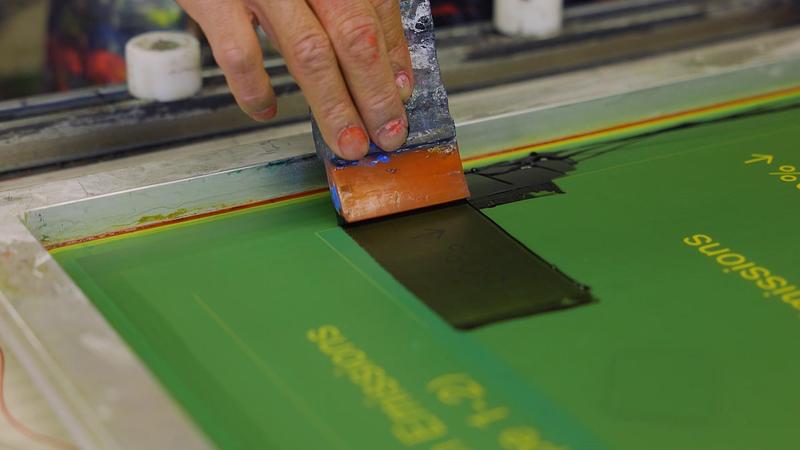
The process of printing onto the fabric during production.
Image moyenne résolution : 6.4 x 3.6 @ 300dpi ~ 470 ko
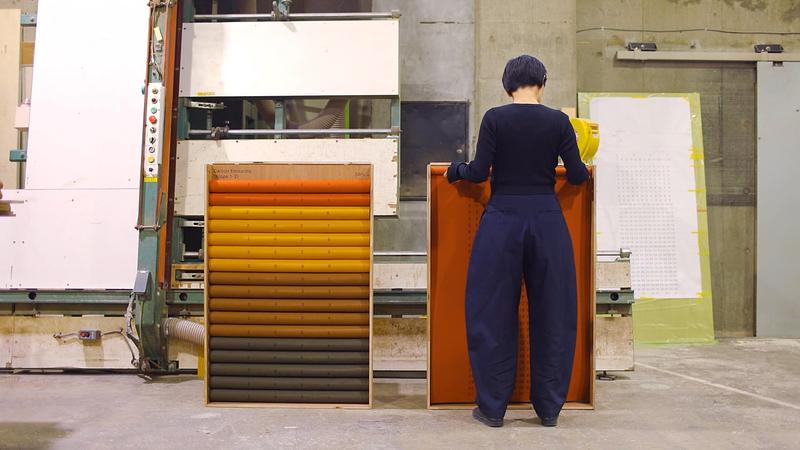
Image moyenne résolution : 6.4 x 3.6 @ 300dpi ~ 650 ko
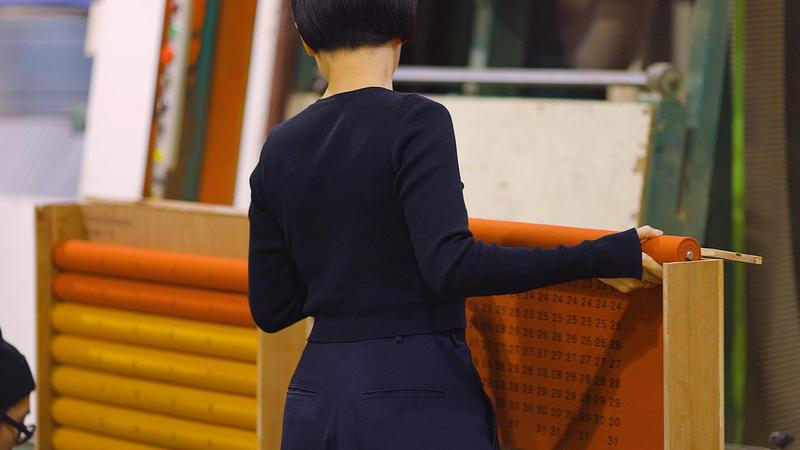
Replacing the calendar, moving it from the box on the left to the box on the right.
Image moyenne résolution : 6.4 x 3.6 @ 300dpi ~ 560 ko
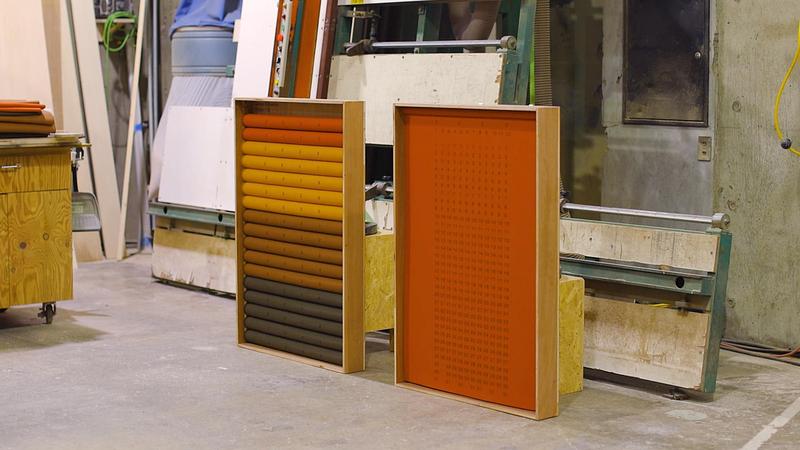
Image moyenne résolution : 6.4 x 3.6 @ 300dpi ~ 720 ko
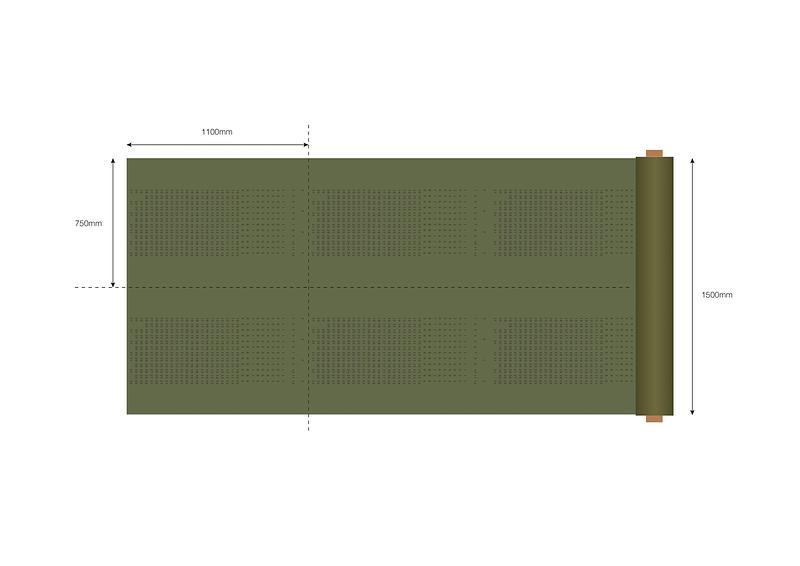
Sketch: The calendar is sized by dividing the fabric roll in half, minimizing material waste.
Image très haute résolution : 19.3 x 13.64 @ 300dpi ~ 2,5 Mo
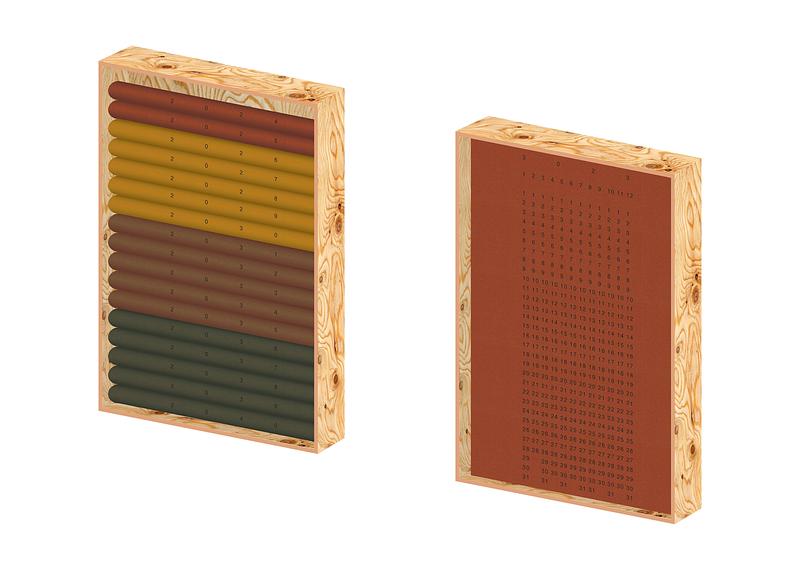
Image très haute résolution : 19.29 x 13.64 @ 300dpi ~ 8,4 Mo
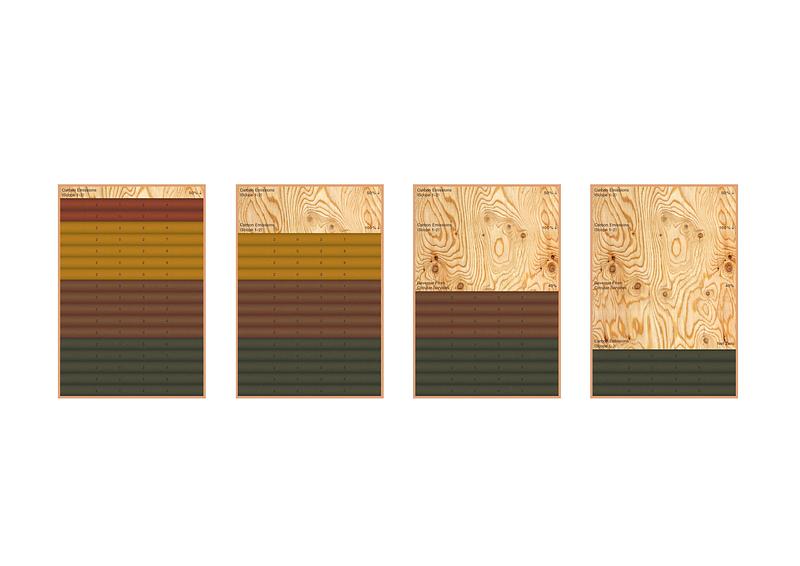
Sketch: Gradually diminishing
Image très haute résolution : 19.3 x 13.64 @ 300dpi ~ 5,3 Mo
Publicité
Vous pourriez également aimer...
Montréal, Canada, 08-09-2025
Le Centre de design de l’UQAM présente Versicolore : Le monde graphique de Fanette Mellier
Centre de design de l'UQAM
Lévis, Canada, 05-05-2025
Une identité renouvelée à l’image de la vision d’Anne Carrier Architectes
Anne Carrier Architectes

Toronto, Canada, 09-08-2024
Wayfinding primé pour le nouveau palais de justice de la RPBW
Frontier Design



Turin, Italie, 24-09-2020
Scribit, le robot de dessin mural pour rehausser votre espace de travail
Scribit
New York, États-Unis, 02-04-2020