Dossier de presse no. 7029-02
Journalistes! Découvrez ce projet prêt à publier. Créez gratuitement un compte média v2com pour télécharger les images haute résolution.
Créez un compte média
Dossier de presse | no. 7029-02
Communiqué seulement en anglais
tono Named the Best in Sustainability Firm at Architizer A+ Awards 2026
tono Inc.
Recognition highlights a regenerative design approach that integrates biodiversity, fungal networks and traditional Japanese building methods into contemporary architecture.
tono, a regenerative architecture practice based in Yakushima, Japan, has been named the Best in Sustainability Firm at the Architizer A+ Awards 2026. The recognition acknowledges the firm's six-year exploration of architecture as a tool for ecological restoration. Founded in Tokyo and relocated to Yakushima in 2020, tono has developed an approach that integrates biodiversity, soil health, fungal networks, and traditional Japanese building wisdom into contemporary architecture. Unlike awards granted to individual projects, this distinction recognizes the firm's philosophy and long-term practice as a whole.
From Sustainability to Regeneration
Over the past decade, sustainable architecture has become a major focus throughout the building industry. Regenerative architecture seeks to move beyond minimizing harm to creating positive ecological outcomes. Rather than simply reducing environmental impact, it aims to restore biodiversity, strengthen natural systems, and leave a site healthier than before construction. For tono, architecture is not merely the design of buildings. It is the design of relationships between people, land, and living systems.
From Tokyo to Yakushima
tono was founded in Tokyo in 2016. In 2020, during the global pandemic, founder Tsukasa Ono relocated the practice to Yakushima, a UNESCO World Heritage island known for its ancient forests and biodiversity.
At the time, regenerative thinking was beginning to gain international attention, particularly in agriculture, landscape design and community development. Practical architectural applications remained limited. The move to Yakushima prompted the studio to explore how regenerative principles could be applied to built projects. Since then, tono has developed an architectural methodology that integrates ecology, water systems, soil health, biodiversity and long-term environmental stewardship into the design process.
What Does Regenerative Architecture Mean in Practice?
For tono, regeneration is not a metaphor but a design methodology. Projects are conceived to work with existing ecosystems rather than replace them.
Whenever possible, large-scale land alteration is avoided.
Traditional Japanese foundation systems using charred timber piles and stone foundations are employed to minimize disturbance to the soil environment. Underground fungal networks, water cycles, wildlife movement corridors and local ecological conditions are considered alongside conventional architectural requirements.
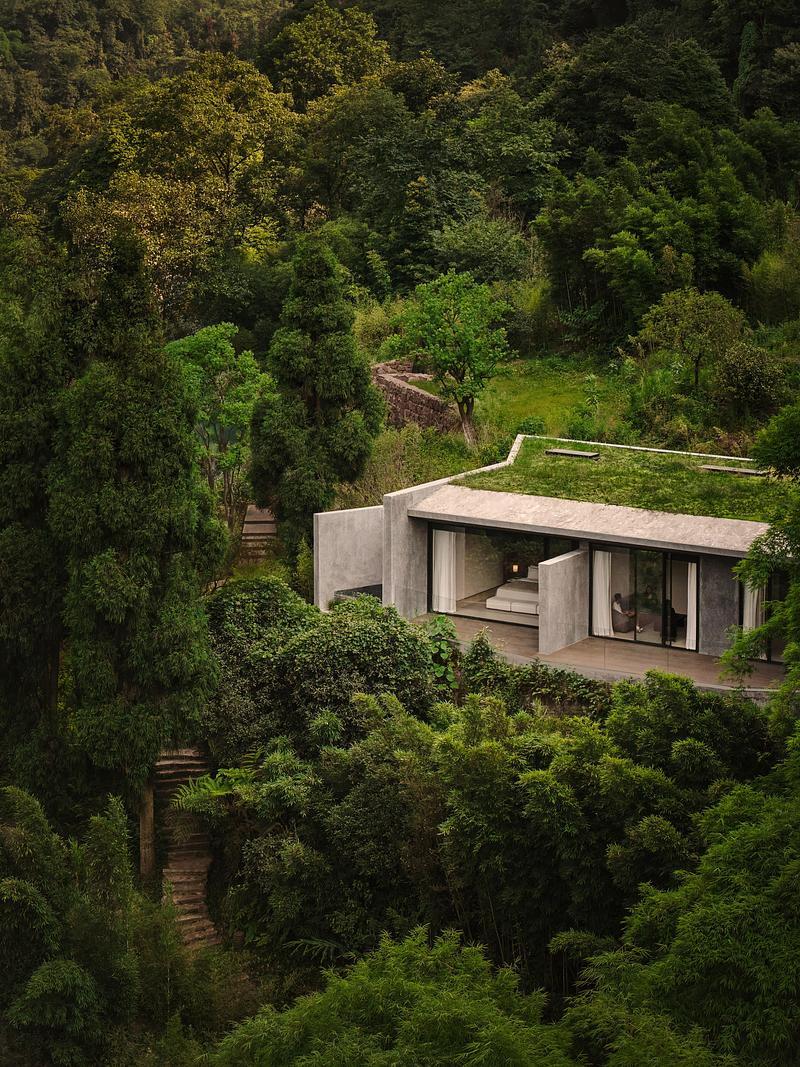
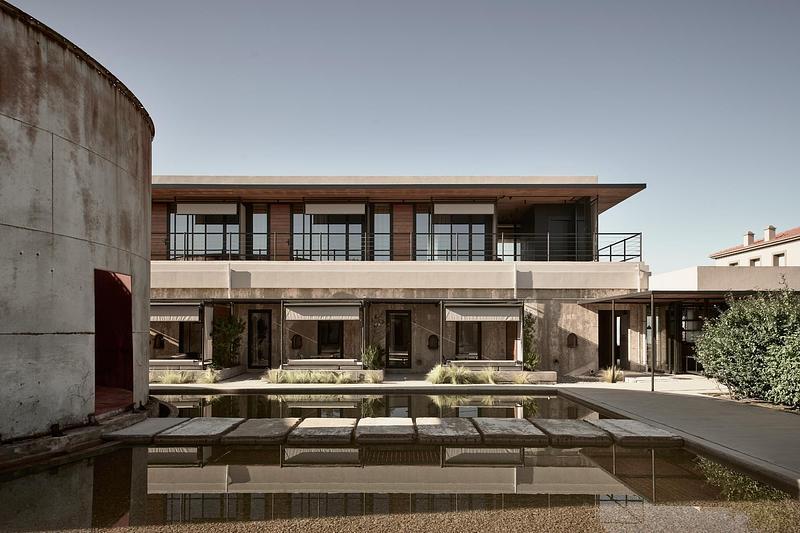
This approach is exemplified in Sumu Yakushima, a residential project that combines low-impact foundations, biodiversity-conscious planning and ecological restoration strategies integrated into the architectural design. The goal is not only to create beautiful buildings, but also to create conditions in which biodiversity, soil health and ecological resilience can increase over time. As ecosystems become healthier, human comfort and well-being improve as well.
Within the practice, this approach has become known as KINCHIKU—an architectural philosophy that recognizes fungi, microorganisms and living ecological networks as fundamental partners in design.
A Shift in Architectural Values
The Architizer A+ Awards jury includes architects, designers, media leaders, technology innovators and business leaders from around the world. The recognition was not awarded solely for aesthetics or form. Instead, it reflects a broader shift occurring within architecture today. The profession is increasingly asking not only: "What are we building?" but also: "What are we restoring through building?" The award recognizes tono's contribution to this evolving conversation.
Founder Statement
"Before moving to Yakushima, I struggled to understand what sustainability truly meant in architecture. Much of the conversation focused on reducing harm, measuring impacts and achieving targets, yet I rarely saw discussions about how buildings could actively contribute to the health of living ecosystems."
"Living in Yakushima changed that perspective. The forests, water systems and biodiversity of the island revealed a different possibility: architecture could become a participant in regeneration rather than simply an exercise in mitigation. This recognition is meaningful because it suggests that the profession is beginning to explore that same question." — Tsukasa Ono, Founder of tono
From Projects to Philosophy
Since 2022, tono has received more than 40 international design awards.
Its flagship project, Sumu Yakushima, has received 25 international awards, including recognition from the iF Design Award Gold, DFA Design for Asia Awards Grand Award and numerous international architecture programs. Most previous recognitions were awarded to individual projects. The Best in Sustainability Firm is different. It recognizes the philosophy, values and long-term practice behind the work itself. For tono, this distinction marks a significant new milestone.
Tradition, Technology and Japanese Simplicity
tono draws from both traditional Japanese building wisdom and contemporary environmental technologies. The practice combines vernacular construction knowledge with tools such as environmental analysis and Life Cycle Assessment (LCA). Central to its work is the idea of Japanese Simplicity—a quiet and essential beauty that emerges through harmony with place, climate and living systems.
Looking Forward
Today, tono works internationally across hospitality, resort and residential developments. The practice collaborates with developers, hotel operators and landowners seeking projects that not only reduce environmental impact, but actively increase ecological value over time. Its mission remains unchanged: To make architecture a practical tool for the regeneration of life on Earth.
About tono Inc.
tono Inc. is a regenerative architecture practice based in Yakushima, Japan, founded by architect and KINCHIKU pioneer Tsukasa Ono. The studio combines traditional Japanese building wisdom, contemporary environmental technologies, and ecological design principles to create architecture that enhances both ecosystem health and human well-being.
Since 2022, tono has received more than 40 international design awards. Its flagship project, Sumu Yakushima, has received 25 international awards and is recognized internationally as a pioneering example of regenerative architecture. The practice works across hospitality, resort, and residential developments, helping clients create places that become more alive over time. Website: https://www.to-no.me
Contact
- Firm name: tono Inc. Tsukasa Ono
- Address: 908-8 Hara Yakushima Kagoshima Japan ZIP 891-4403
- Email: info@to-no.me
- Web: https://www.to-no.me
- Newsletter (Substack): https://kinchiku.substack.com
- Profile PDF: Download
Sumu Yakushima concept movie
Regenerative Vegan house concept
For more information
Award Summary
- Award: Architizer A+ Awards 2026
- Category: Firm Category
- Award Title: The Best in Sustainability Firm (Jury Winner)
- Organizer: Architizer (New York, USA)
- Recipient: tono Inc.
- Scale of Competition: Thousands of entries from more than 80 countries worldwide
- Official Recognition: Featured in the official Architizer Winners' Gallery
- Related Recognition: Selected for publication in the official Architizer book, Architizer: The World's Best Architecture (14th Edition)
Pour plus d’informations
Contact média
-
tono Inc.
-
Tsukasa Ono, CEO
- info@to-no.me
-
+81 90-7266-3148
Pièces jointes
Termes et conditions
Pour diffusion immédiate
La mention des crédits photo est obligatoire. Merci d’inclure la source v2com lorsque possible et il est toujours apprécié de recevoir les versions PDF de vos articles.
tono Inc.
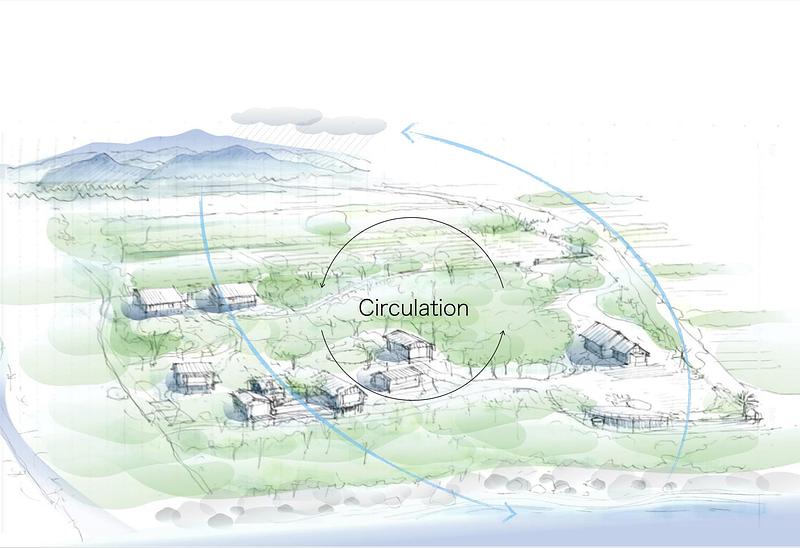
Image moyenne résolution : 8.2 x 5.62 @ 300dpi ~ 610 ko
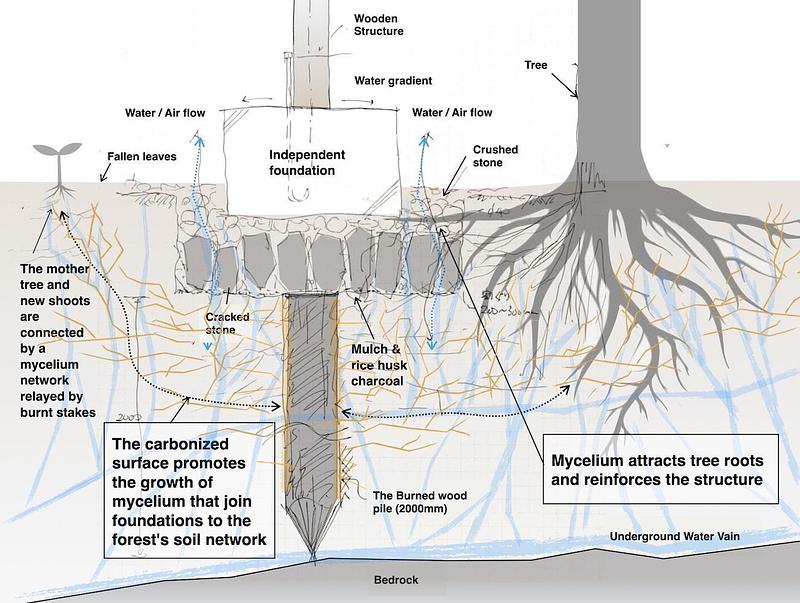
Image basse résolution : 4.42 x 3.33 @ 300dpi ~ 380 ko
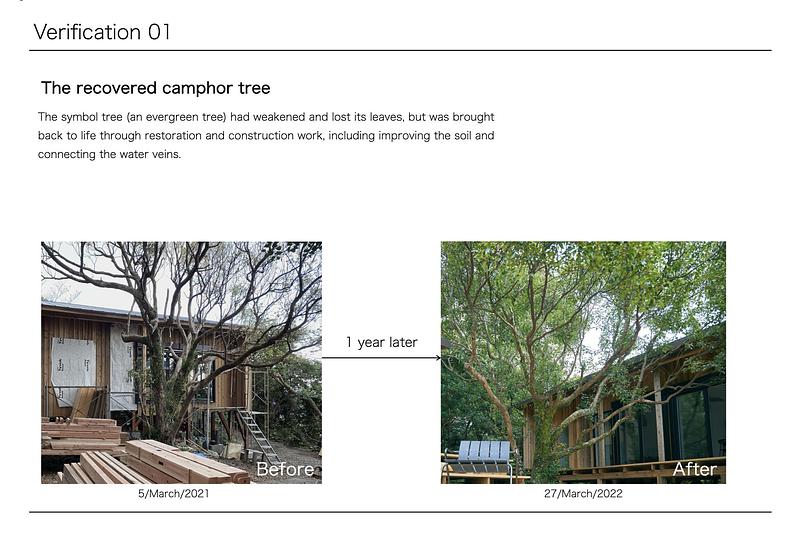
Tree Recovery
Image moyenne résolution : 8.68 x 5.82 @ 300dpi ~ 3,7 Mo
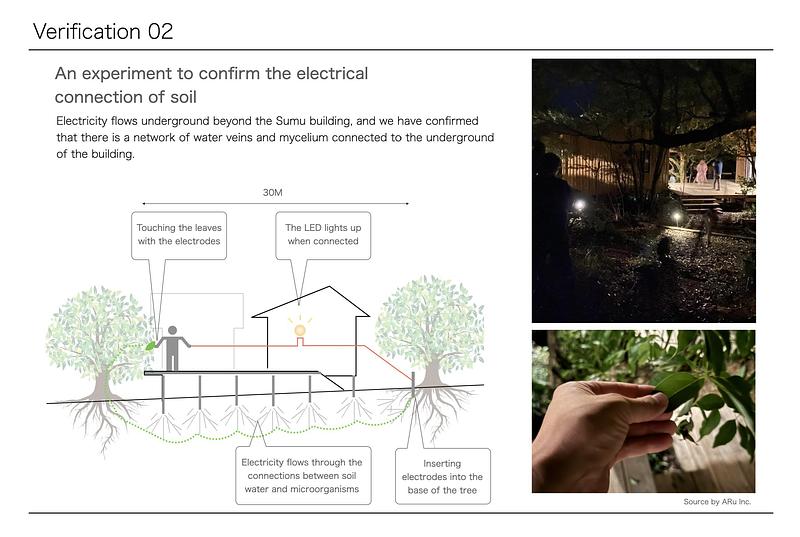
Electrical Connectivity Verification
Image moyenne résolution : 8.65 x 5.81 @ 300dpi ~ 2,6 Mo
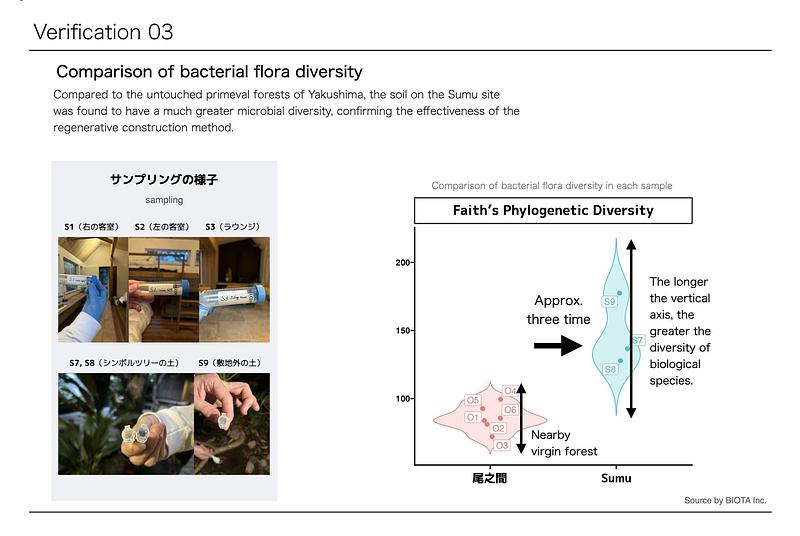
Microbial Diversity Verification
Image moyenne résolution : 8.68 x 5.82 @ 300dpi ~ 1,4 Mo
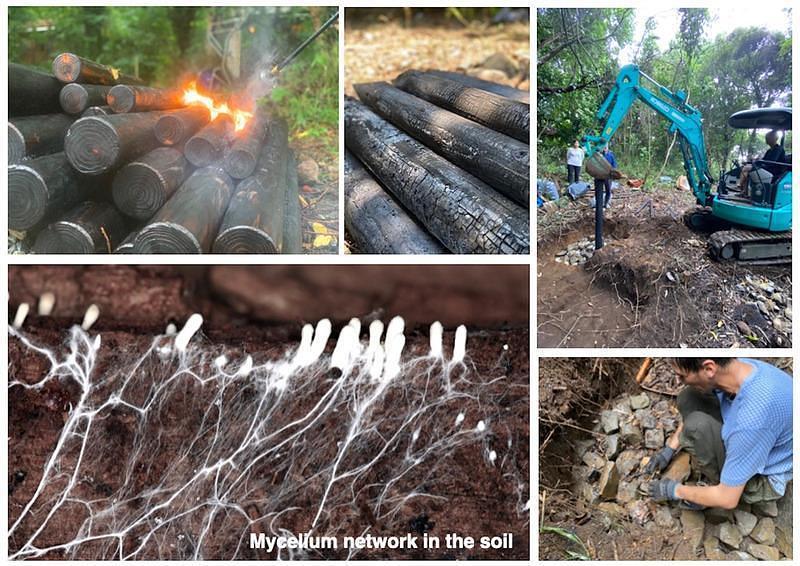
Image basse résolution : 2.67 x 1.89 @ 300dpi ~ 220 ko
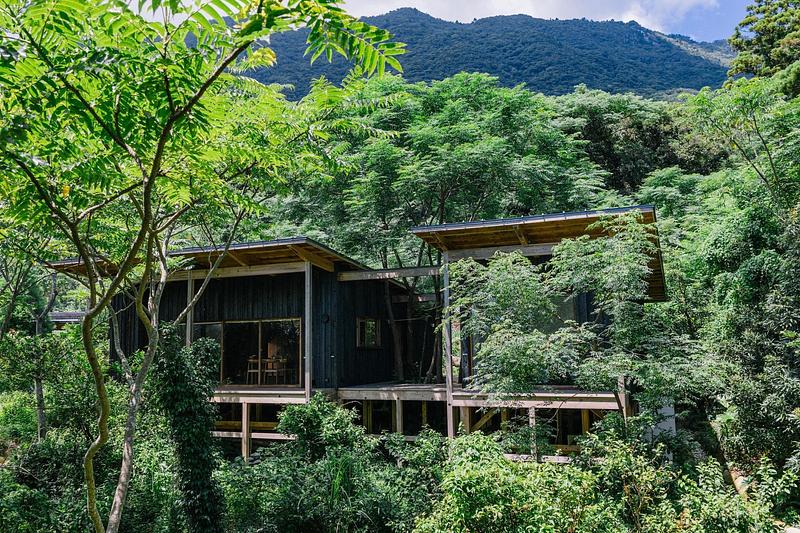
Image moyenne résolution : 7.07 x 4.71 @ 300dpi ~ 1,7 Mo
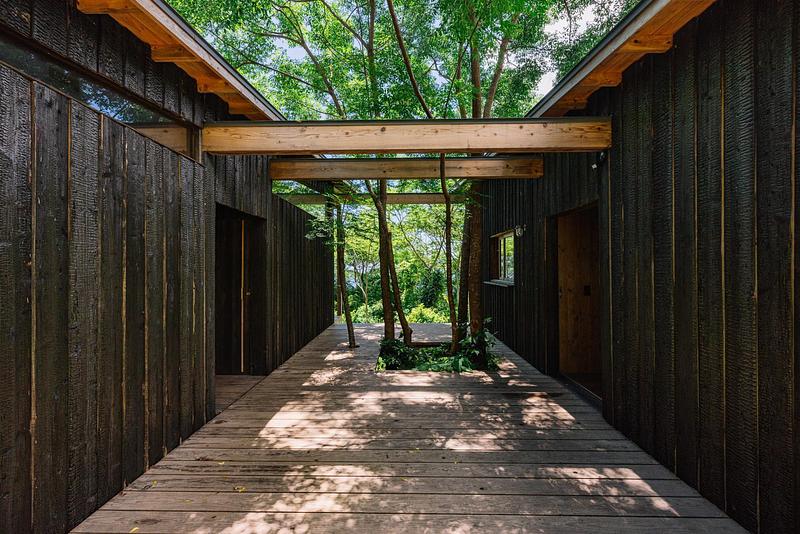
Image moyenne résolution : 7.07 x 4.71 @ 300dpi ~ 3,3 Mo
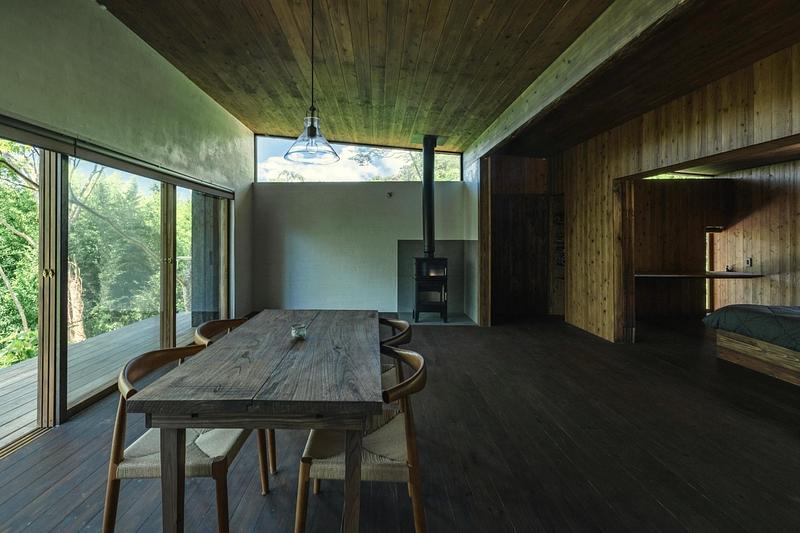
Image moyenne résolution : 6.97 x 4.65 @ 300dpi ~ 700 ko
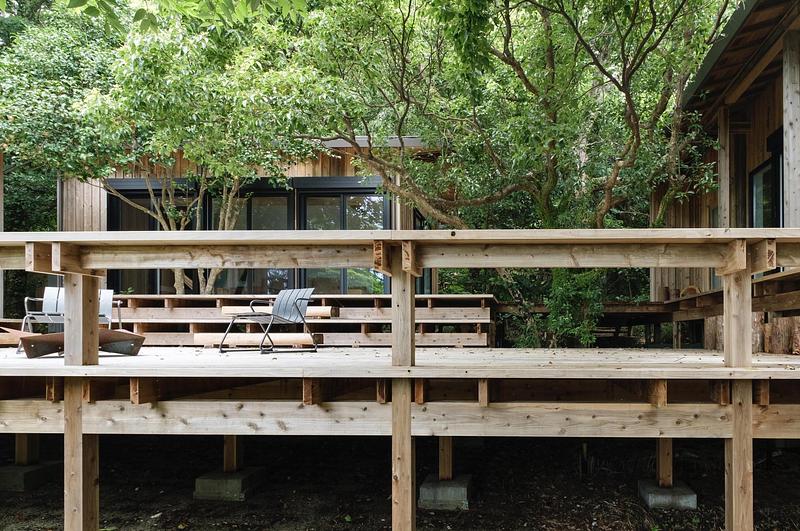
Image moyenne résolution : 8.62 x 5.72 @ 300dpi ~ 890 ko
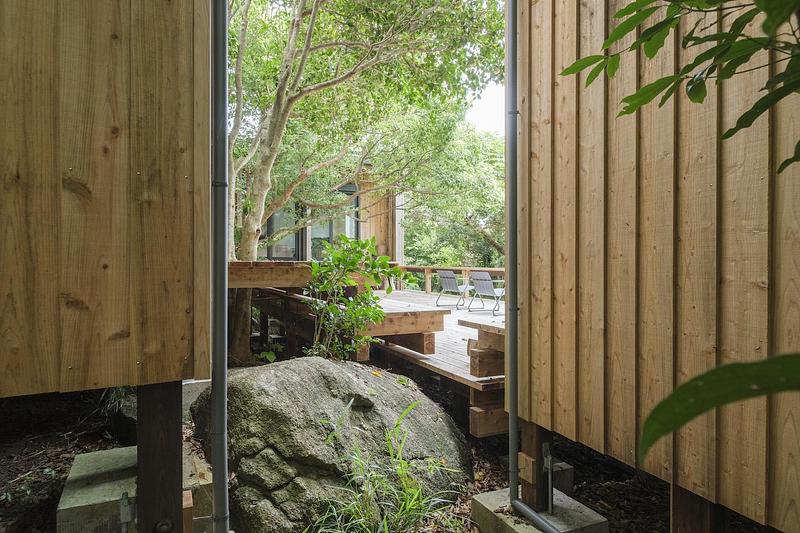
Image moyenne résolution : 5.0 x 3.33 @ 300dpi ~ 1,5 Mo
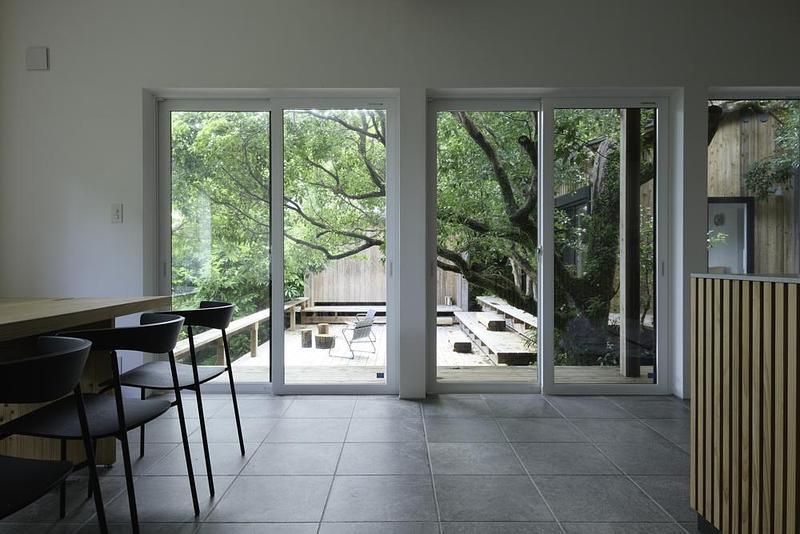
Image basse résolution : 3.33 x 2.22 @ 300dpi ~ 450 ko
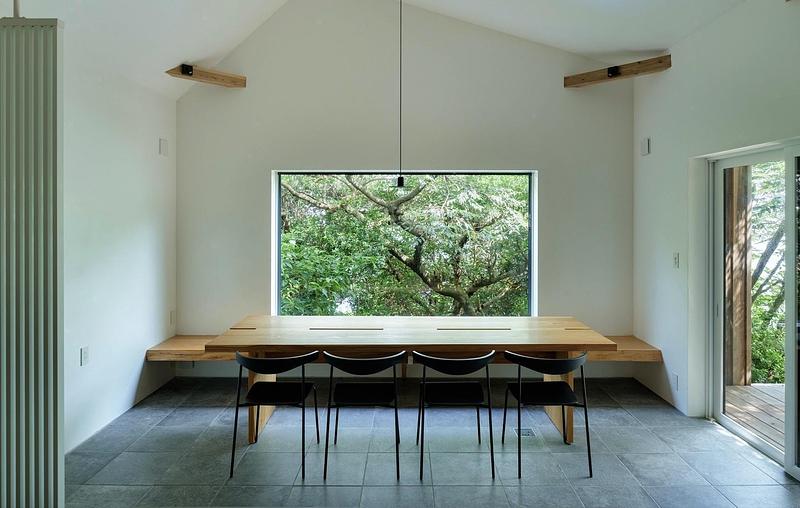
Image moyenne résolution : 5.25 x 3.33 @ 300dpi ~ 410 ko
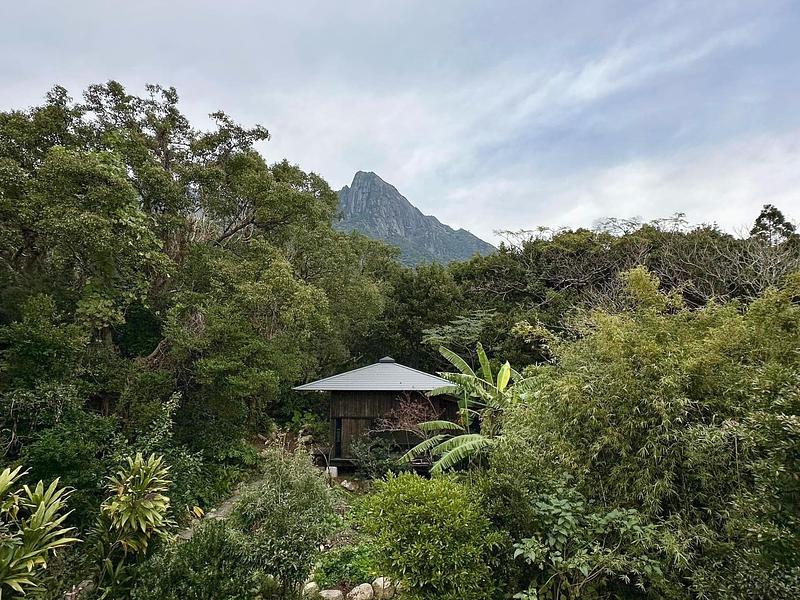
Image moyenne résolution : 6.83 x 5.12 @ 300dpi ~ 1,1 Mo
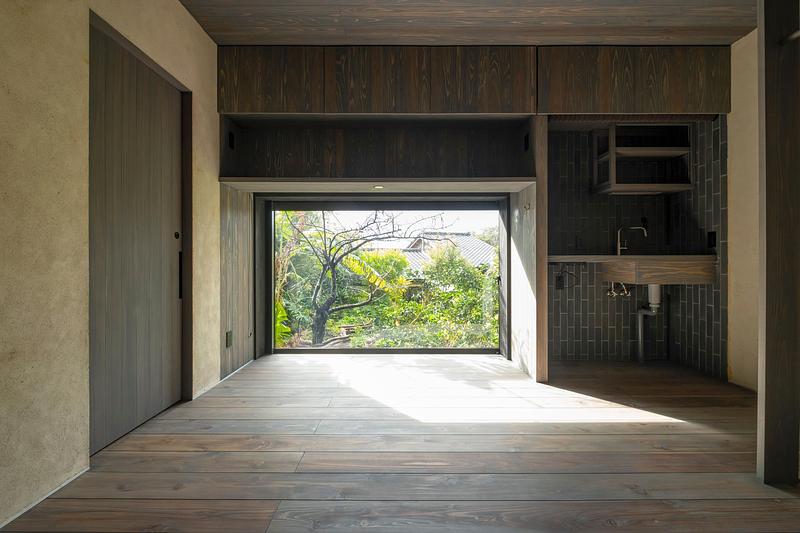
Image haute résolution : 12.0 x 8.0 @ 300dpi ~ 2,4 Mo

Image haute résolution : 8.5 x 11.0 @ 300dpi ~ 420 ko
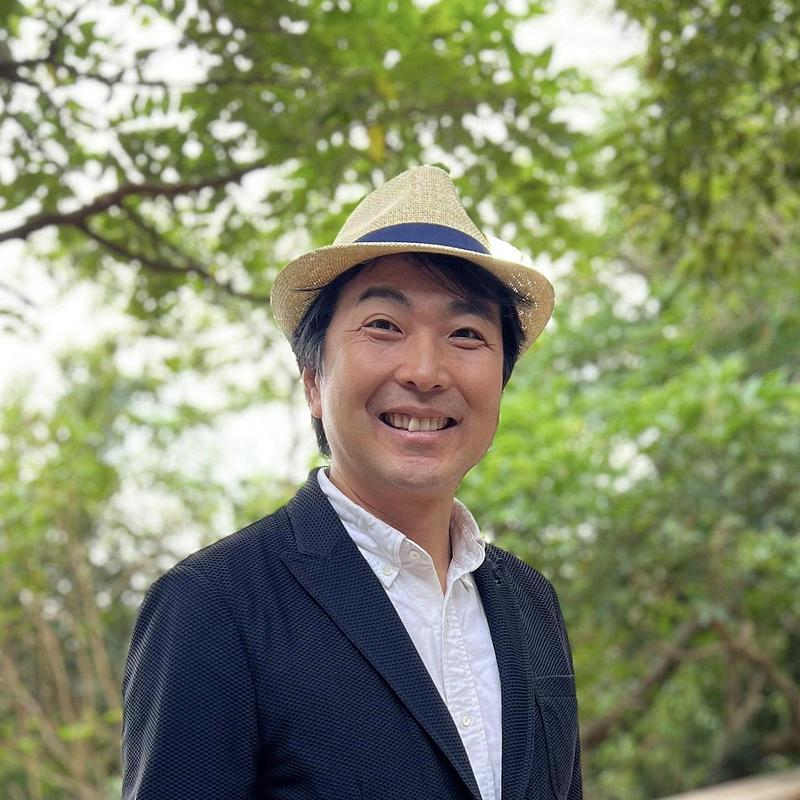
Image moyenne résolution : 5.73 x 5.73 @ 300dpi ~ 730 ko

Image basse résolution : 4.0 x 4.0 @ 300dpi ~ 45 ko
Image basse résolution : 4.0 x 4.0 @ 300dpi ~ 47 ko


Publicité
Vous pourriez également aimer...

Yakushima, Japon, 05-07-2023
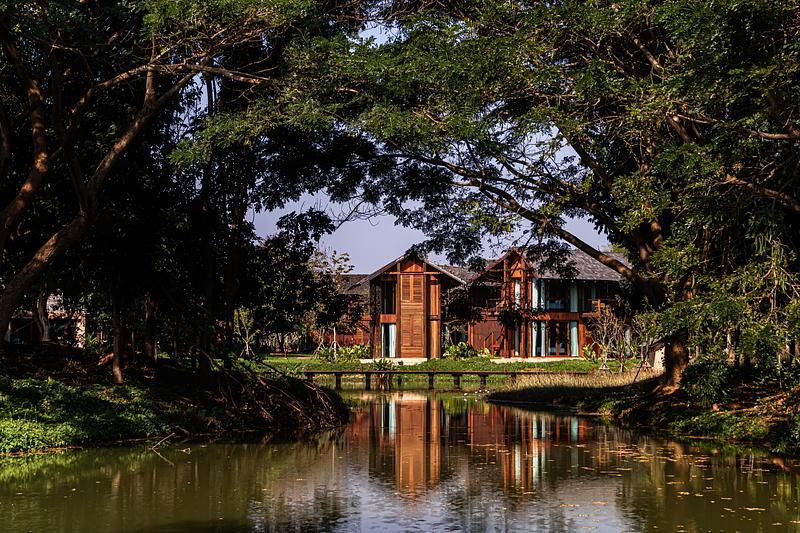
Sumu, Regenerative life studio, remporte les plus hautes récompenses
tono Inc.
Farmington, États-Unis, 02-07-2026
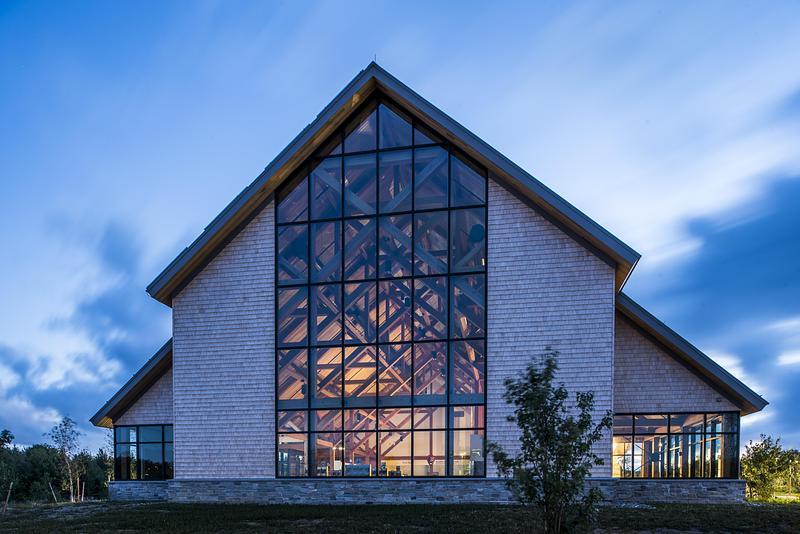
New Energy Works remporte un prix aux Architizer A+Awards pour l'Acadia Gateway Center
New Energy Works
Amsterdam, Pays-Bas, 01-07-2026
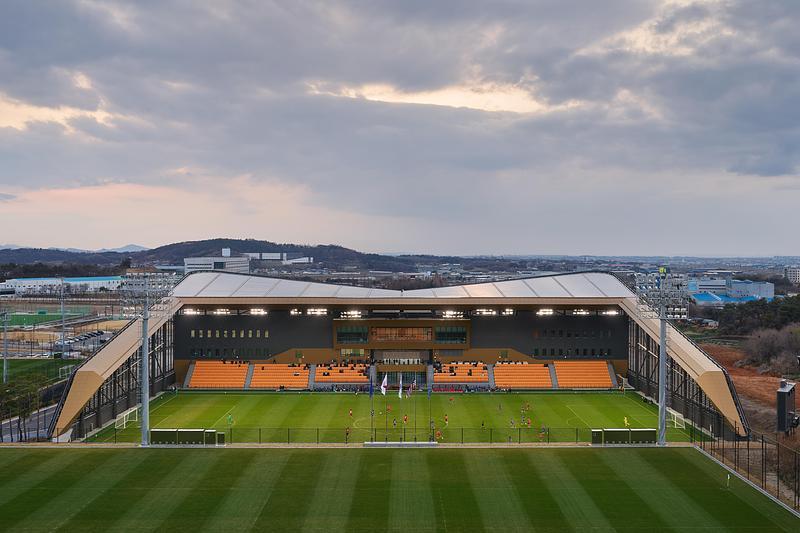
UNS livre le Korean Football Park : le centre d’entraînement de toute une nation
UNS